
My Camino – the barefoot journey within
Barefoot
This piece is a very personal account of my Camino trip at the start of September 2026. But why barefoot, you may be asking yourself. Well, my barefoot journey was a prelude to walking the St. James’ Way.
While developing self-awareness and listening to my body better, I discovered that my feet were really not happy in conventional, constricting shoes. They lost the flexibility, mobility and natural strength and could no longer support my body optimally.
During in-depth research, I landed on barefoot shoes and never looked back. I’ve worn them exclusively since August 2024.
Barefoot is sometimes controversial, but it was an enlightenment to me and a big part of my life today. On this trip ‘barefoot’ has a double meaning to me. Firstly, my feet turned out to be strong enough to continue the barefoot journey, which had been a worry of mine. Secondly, it represented the realisation that there’s only so much in our control, and life will always have something unexpected in store for us. Read on to see how the story develops.
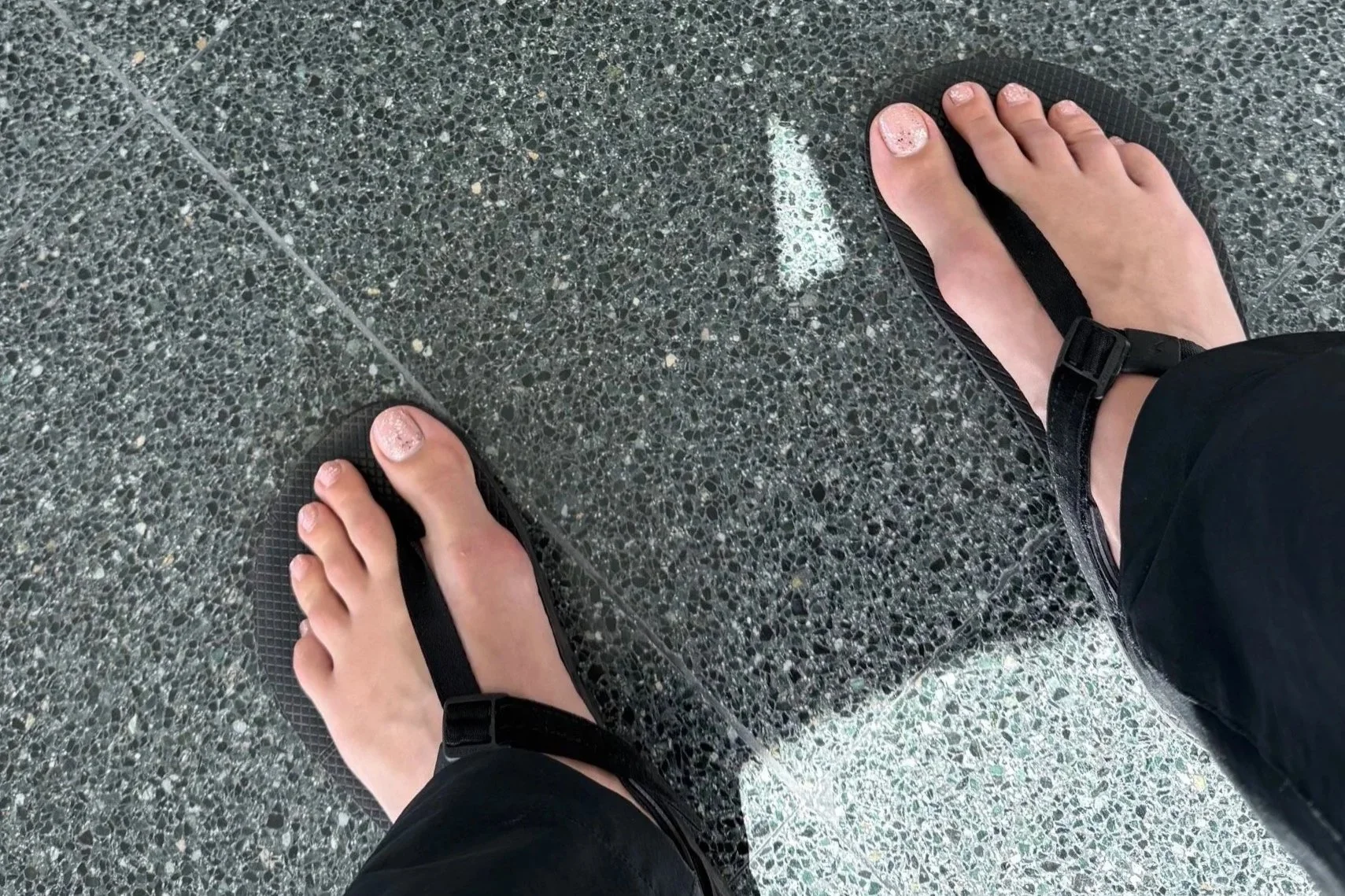
My barefoot sandals on the Camino
How it started
In the barefoot years, I developed a new fondness for long walks and hikes. Or maybe I just rediscovered how much I really enjoyed it. The Dutch walking marathons (the 4-daagse, which are organised annually) gave me a great platform to walk more and explore the local surroundings and nature. However, the long distances on hard surfaces and the adaptation to barefoot shoes made it quite painful initially.
The first year I participated in the 4-daagse, I overdid it and ended up with a huge blister on the sole of my foot that prevented me from walking for almost a full week.
The year after was much better, and I was even able to increase my mileage with a final test walk of 26 km carrying a backpack filled with all of my Camino necessities.
The plan
The assumption was that we (a friend of mine and I) would cover almost 280 km in 13 days and carry all of our luggage ourselves. During preparation, we managed to shave a lot of weight off our bags, taking only the essentials. My pack without food and water was 6.15 kg, which probably rose to about 7.5 kg in total, not counting the clothes and shoes I was wearing.
I didn’t think this was too ambitious. And we planned what we thought was a well-balanced route with a daily average of about 20 km and a maximum of 25 km.
We also trained – although my friend definitely did more than I did. I tested what felt like a hundred pairs of barefoot shoes. I found one compromise pair and was willing to settle for it. If you ever consider going barefoot, I can help you save yourself the headache of research and trial and error.
In any case, on paper our plan looked good. To lower the pressure on ourselves, we also agreed to be honest with ourselves and each other, should we need more rest. I thought we could always take a rest day in between to have more energy later. Very sensible, right?
Moreover, we booked all our accommodation up front because we saw that many of the ‘preferred’ locations were filling up quickly. I still think it was a good thing to do, although some of you might think it takes away any flexibility and spontaneity. But believe me, you don’t want to spend your time online on a trip like that.
We had many talks and planning sessions. We even took ChiWalking workshops to learn how to walk as efficiently as possible with and without a backpack or hiking poles. And we often discussed the motives that drove us to do this trip. Eventually, we also prepared our intention stones with another friend of ours. It was a late-evening creative session with three friends supporting each other before the upcoming journey. The two of us who went took all three stones with us. We carried them until we found an ideal spot to lay them down at the end of the trip.
The reality
Well, you can plan as much as you want, but life will eventually throw something at you that you were not prepared for. How you deal with it is going to make all the difference.
I am naturally not a daredevil. I do take chances in life, but at the same time I think through countless scenarios to prepare well. So, I considered many things and actually flagged two potential problems:
My energy levels – as this is something I struggle with because of a chronic condition
My barefoot journey – I had the right shoes, but I was worried about those blisters that could surely hijack my trip
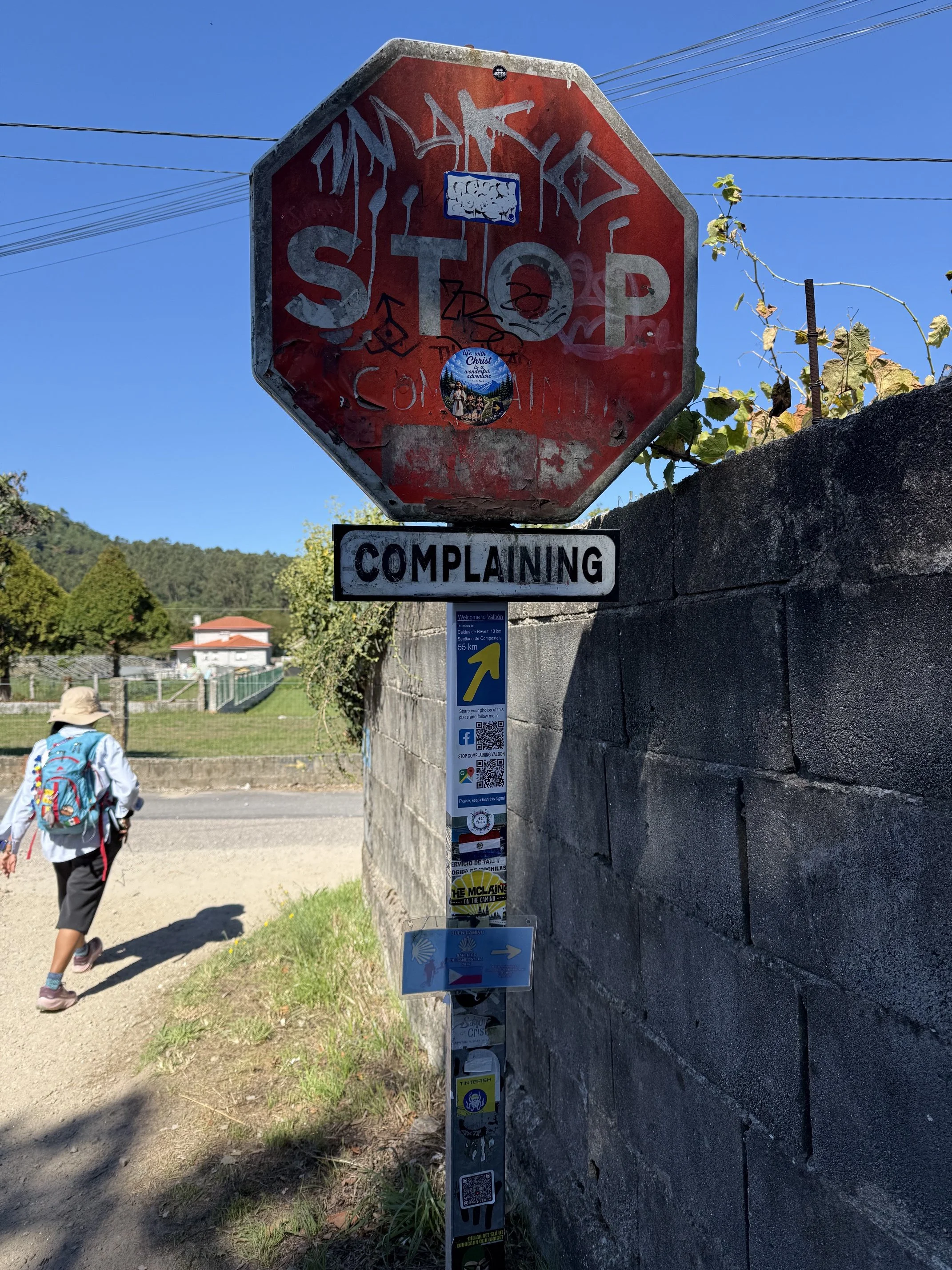
I was actually surprised at how well it went initially – the first 100 km that is – at least I thought it was going well. We had our challenges and as many people say, you have some trouble adjusting, with day 3 being the hardest. Well, for us it was day 4, but who’s counting? Ha ha ha. The frustrations were real, although it was hard to pinpoint what they were about. Tiredness? Heat? Uncomfortable backpack setup? Mosquitos? A bit of everything?
Towards the end of day 5, I even thought to myself, “Wow, if it is going to go like this, then I am going to be fine”. But that thought came too quickly. We walked 27 km that day due to some confusion on the route and despite choosing the shorter variant. In the end, we did it and were super proud, but the next morning I could hardly stand without pain.
No blisters though, yay!
The irony is that I tried to prepare for everything, but life showed me that I cannot control all the situations that arise or their outcomes. My test was something new – a bad case of hiker’s rash. My lower legs were purple, swollen, inflamed and painful. And of course, it didn’t happen overnight, but I did not expect it to get that bad.
Day 6 – that was it. I wasn’t able to walk. Maybe a few steps, but then what? Somehow – and I'm still asking myself how – I walked 5 km that day (which was supposed to be only 3 km, yet another miscalculation on some websites). We just had to get to the boat that would take us across from Portugal to Spain. From there on, I parted ways with my friend, who walked on, and I continued by cab.
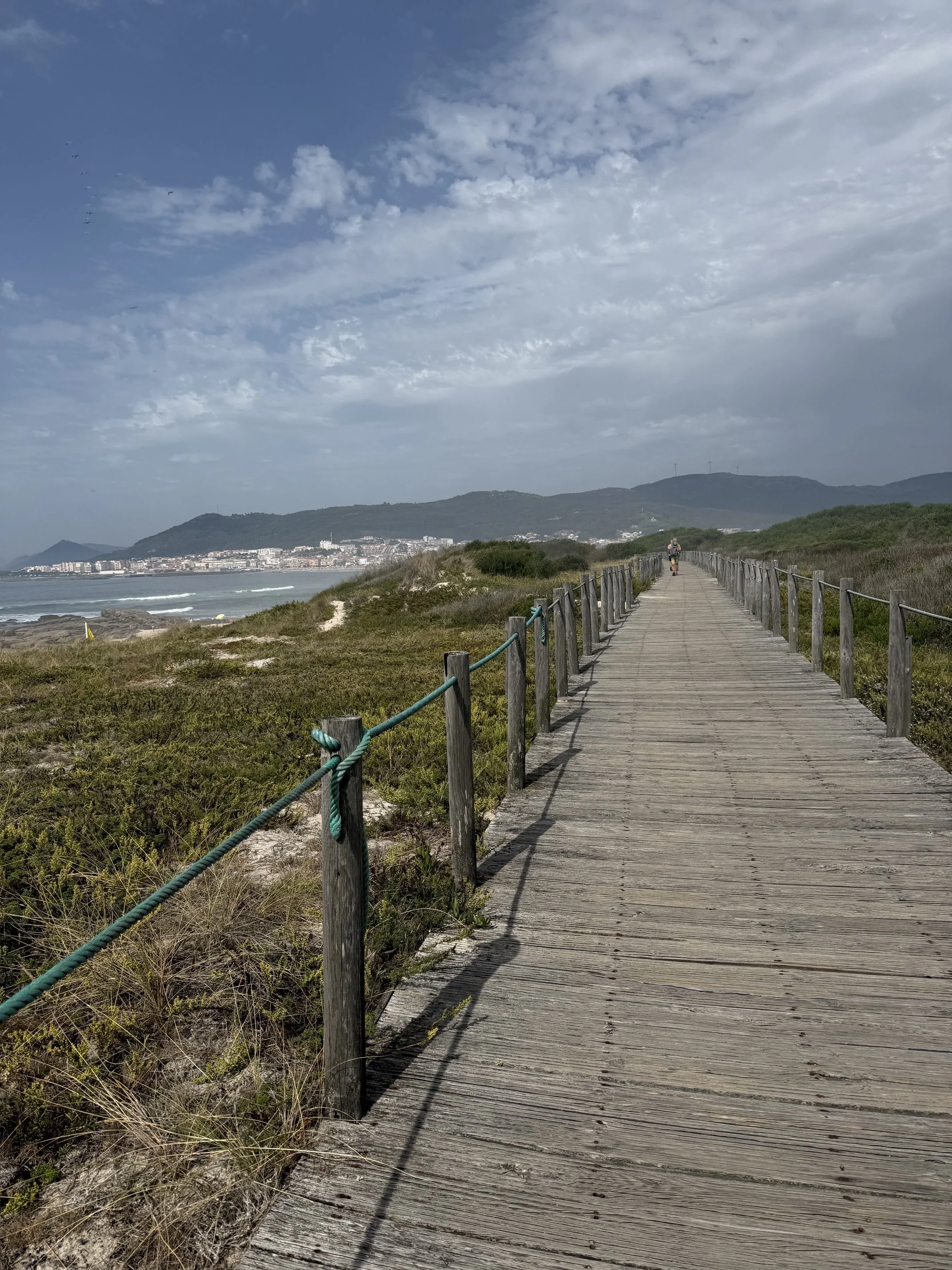
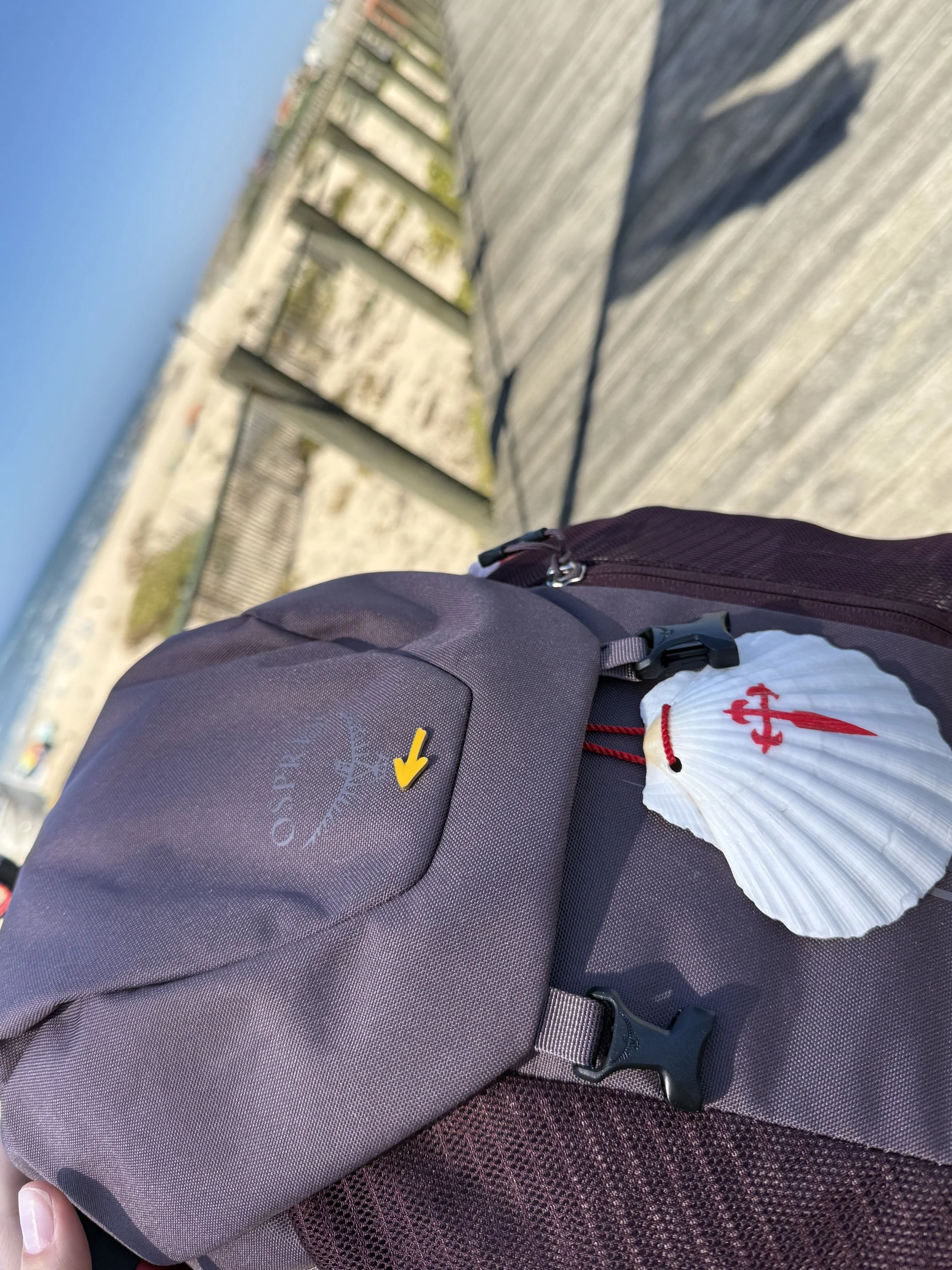
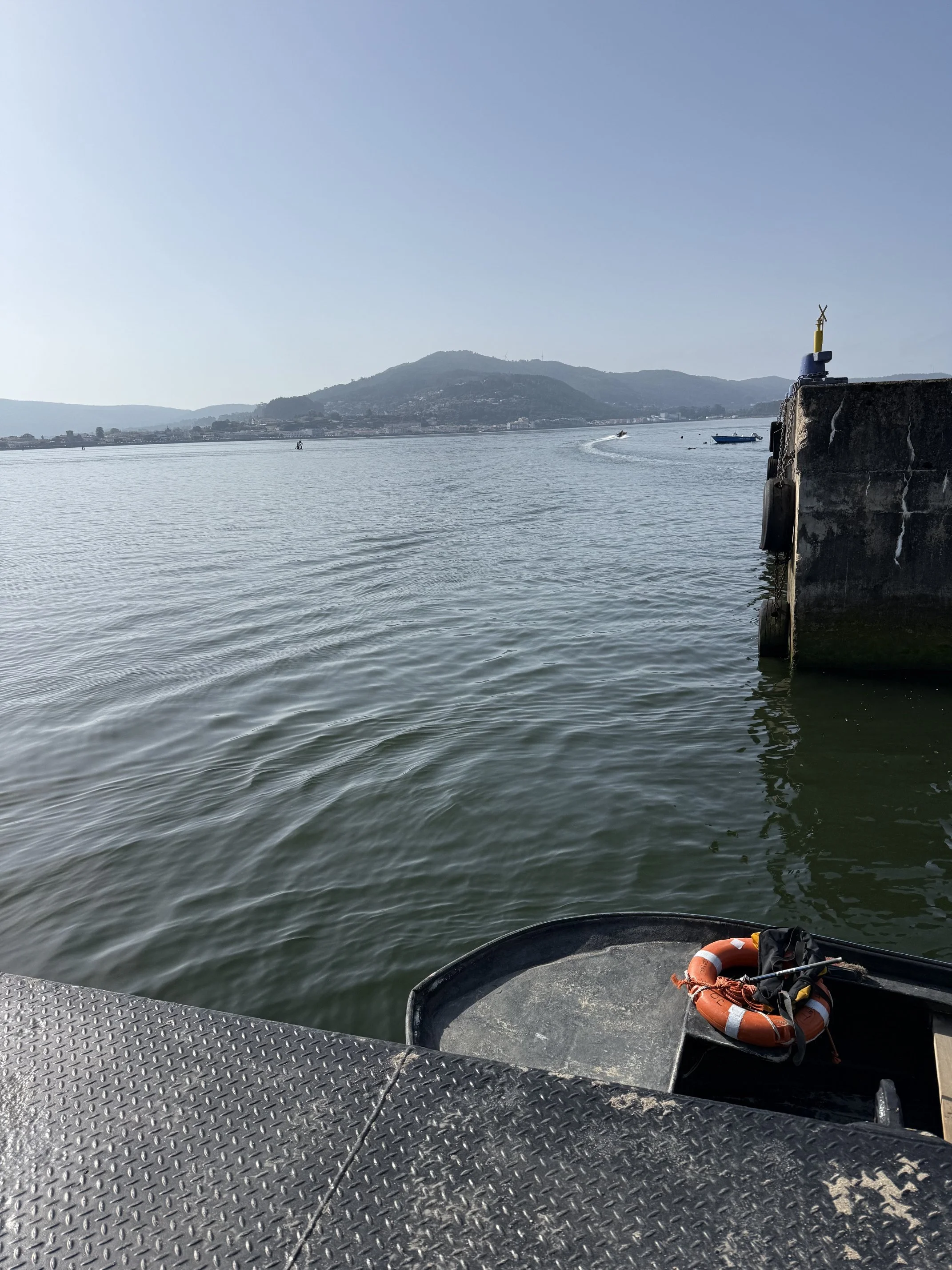
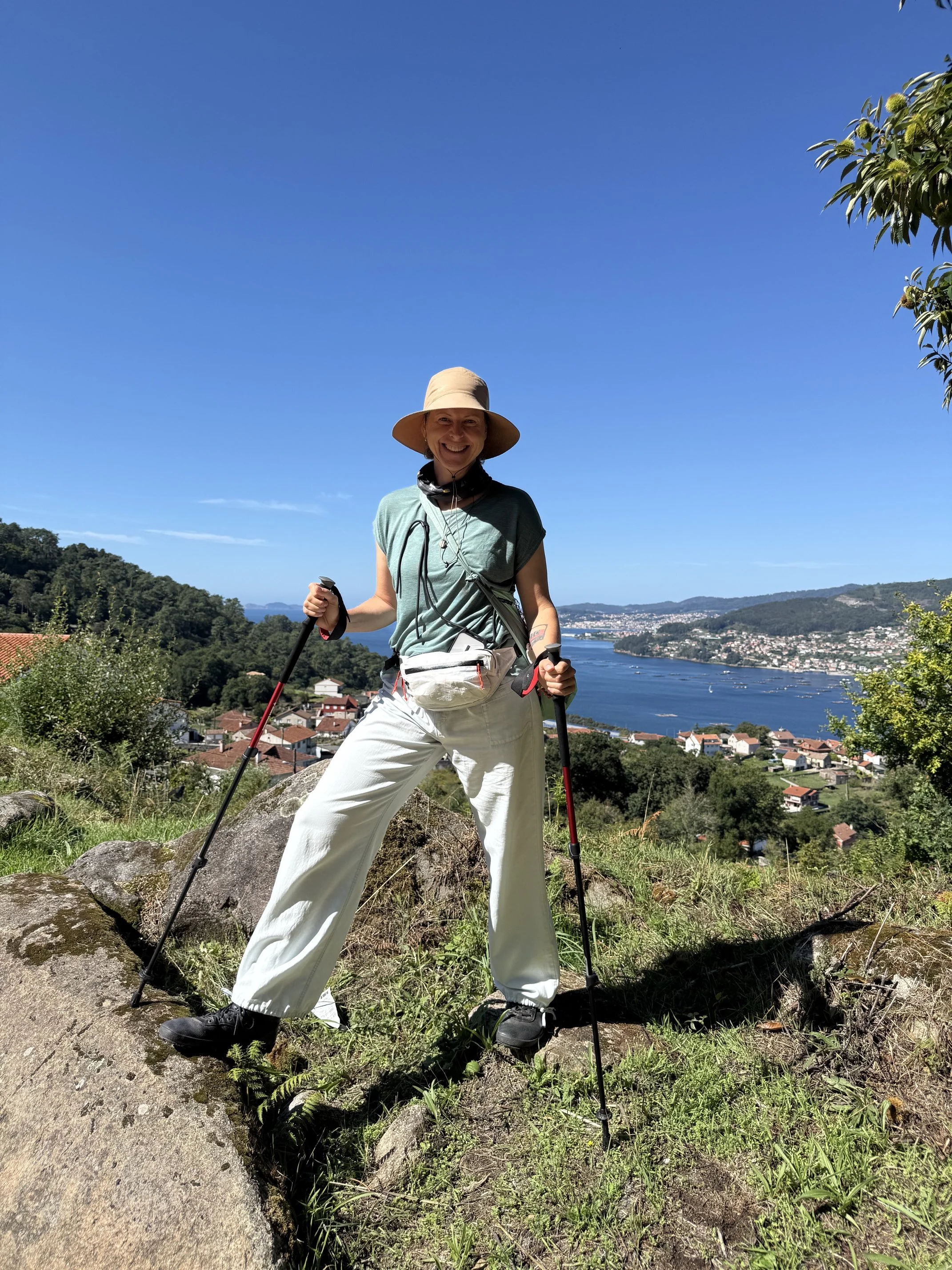
It took two more days of rest, lots of research, adjustments and soul-searching before I resumed walking.
And even then, the first days were uncertain and needed to be handled carefully.
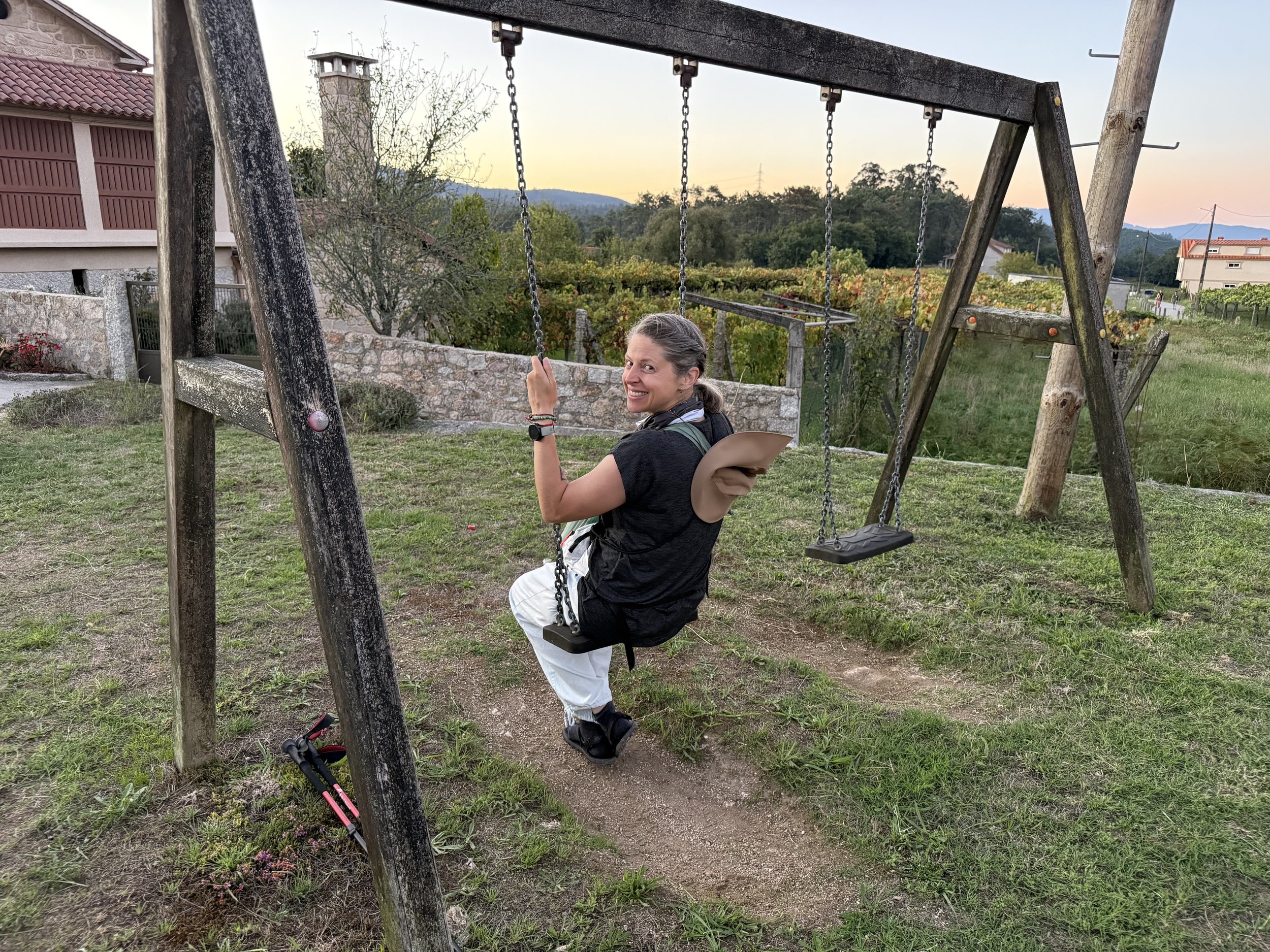
After all the rest – and a bit of restlessness – came day 9. I finally decided I felt well enough to try walking again. It wasn’t an all-or-nothing situation. It was challenging in a different way, as it asked me to slow down and be mindful of what my body was telling me. A true test of being in the moment. That was quite an experience of walking so slowly that literally everyone passed me by. Curiously, I didn't feel bad or ashamed about it.
I ditched my barefoot boots (it was a tad too warm for them) and carried on in my sandals. I wore those with toe socks, which are great for preventing blisters – there’s no going back for me. And I started travelling light with my backpack transported. That’s a serious option to consider on a trip like that. No need to be ashamed of not carrying your luggage.
For the second half of day 10 and most of day 11, I walked ‘alone’. I sent my friend ahead because I thought my pace might be frustratingly slow for her. And she didn’t need to walk too long in the hottest part of the day either. Now let me tell you, some solitude was good, but I definitely got used to having a good companion on those long days. In the end, it was great to have experienced both.
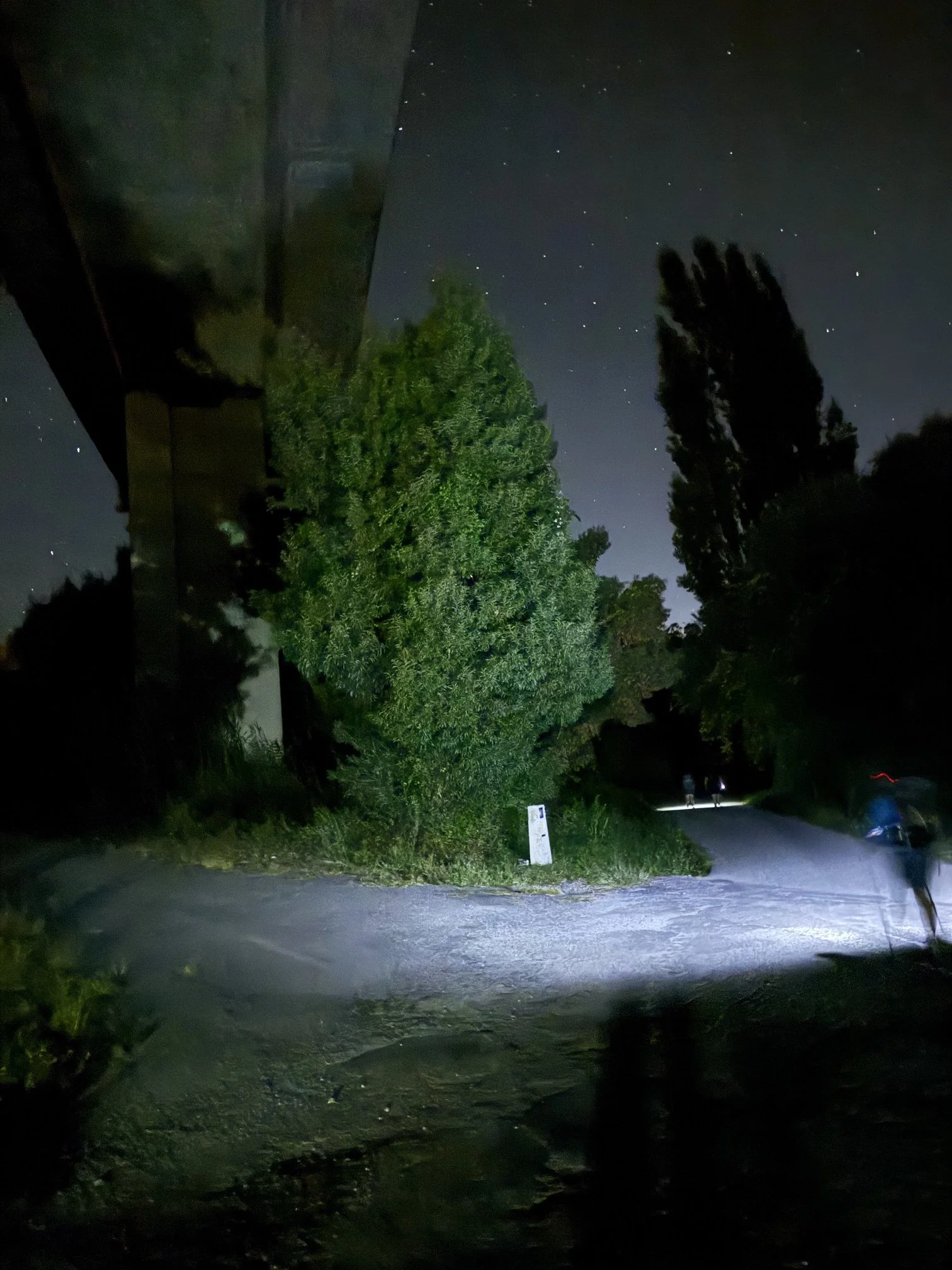
Towards the end, we adjusted our starting times twice and left our accommodation while it was still dark to beat the heat, as those days were supposed to be above 30°C. We loved walking in the cool morning air. And I must say, I enjoyed how different the scenery looked before dawn. Everything was much quieter and felt more mysterious, especially when passing cemeteries. We felt safe though. I personally found the starry skies almost magical, and very rewarding for getting up so early.
When we finally arrived on day 13, at 13:00, in Santiago de Compostela in front of the cathedral, it was clearly 37°C. We could tell by the sweat running down our spines. And the moment was over- and underwhelming at the same time.
I felt accomplished but also a bit lost. And in contrast to everything I’ve seen online, it was somewhat flat. No fanfare upon arrival, just the feeling of my own quiet accomplishment. The days I walked as well as the question of whether I would be able to finish were the bigger and more valuable experience. Then the arrival at the Praza do Obradoiro, where no one was there to greet us, felt confusing.
I had created a picture based on all those videos of other people sharing their arrivals, and those expectations distorted the moment for me. Plus, the heat, emotions and tiredness were quite real.
I felt better after getting my official Compostela certificate, though, along with a mileage certificate and a proper meal. I have officially walked 218 km (of 280 km) from Porto (PT) to Santiago (ES), and I have the papers to prove it. I missed more than 2.5 days of walking, but feel richer because of that, if that makes any sense.
If you were wondering what happened to our intention stones, we eventually decided – in all the overwhelm of the arrival in Santiago – to look for a spot the next morning, when we still had a couple of hours to roam the streets. We found a spot that gave us space and time for a moment of contemplation while we laid the stones under a tree. I will not share the location because it feels private, and it wasn’t only my moment – it belonged to the three of us: my friend I walked with, the friend for whom we carried the stone, and I.
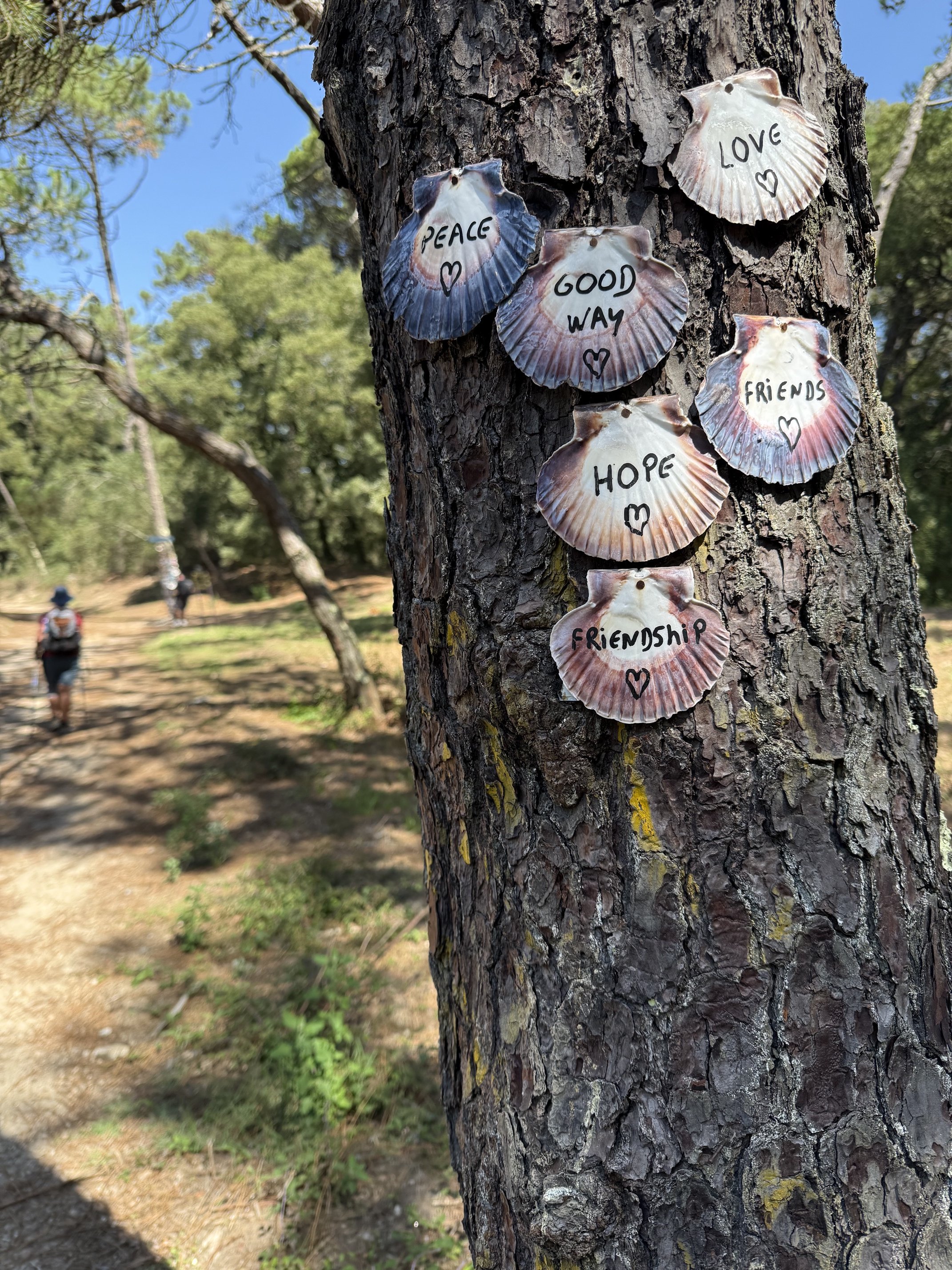
If you need a tip, there is no single spot to leave your intention stones on the Portuguese Camino, unlike on the French one. But there are plenty of mini ‘shrines’ set up along the way, especially in the forests in Portugal, or just on the stone distance markers in Spain.
The lessons and other take-aways
I embarked on this journey with a promise to myself to be open to all experiences the Camino had in store for me. I also carried a stone with the intention of letting go – of limiting beliefs, patterns and anything else that constrains me.
The trip was a challenge for me to be present and to enjoy the journey and not just focus on the destination.
And guess what – life said “I’m checking!”. I was tested thoroughly on my intentions, convictions and practices.
When my legs refused to walk, a lot of feelings came to the surface. But not before I jumped first into quiet despair and then straight into solution mode, trying to do research and find practical tips. Coming up with alternative plans, testing things, even naming the iterations: Plan B, Plan C and so on.
But planning was what I was already good at. And this test was about more than being able to plan – it was about being able to deal with and accept what life throws at you. I had to face relinquishing control over every detail and letting myself be carried by what was. And in order to accept what was, I had to let go of the expectation of what the end result was supposed to look like. So, I took up the challenge with all the unexpected circumstances and made an effort to be in the moment and make the most of it.
And isn’t that what life is all about?
It took me some time, but after many heart-to-heart conversations with myself, I was able to let go of the struggle and the expectations to the extent that it made space for the experiences and cleared the way for me to continue.
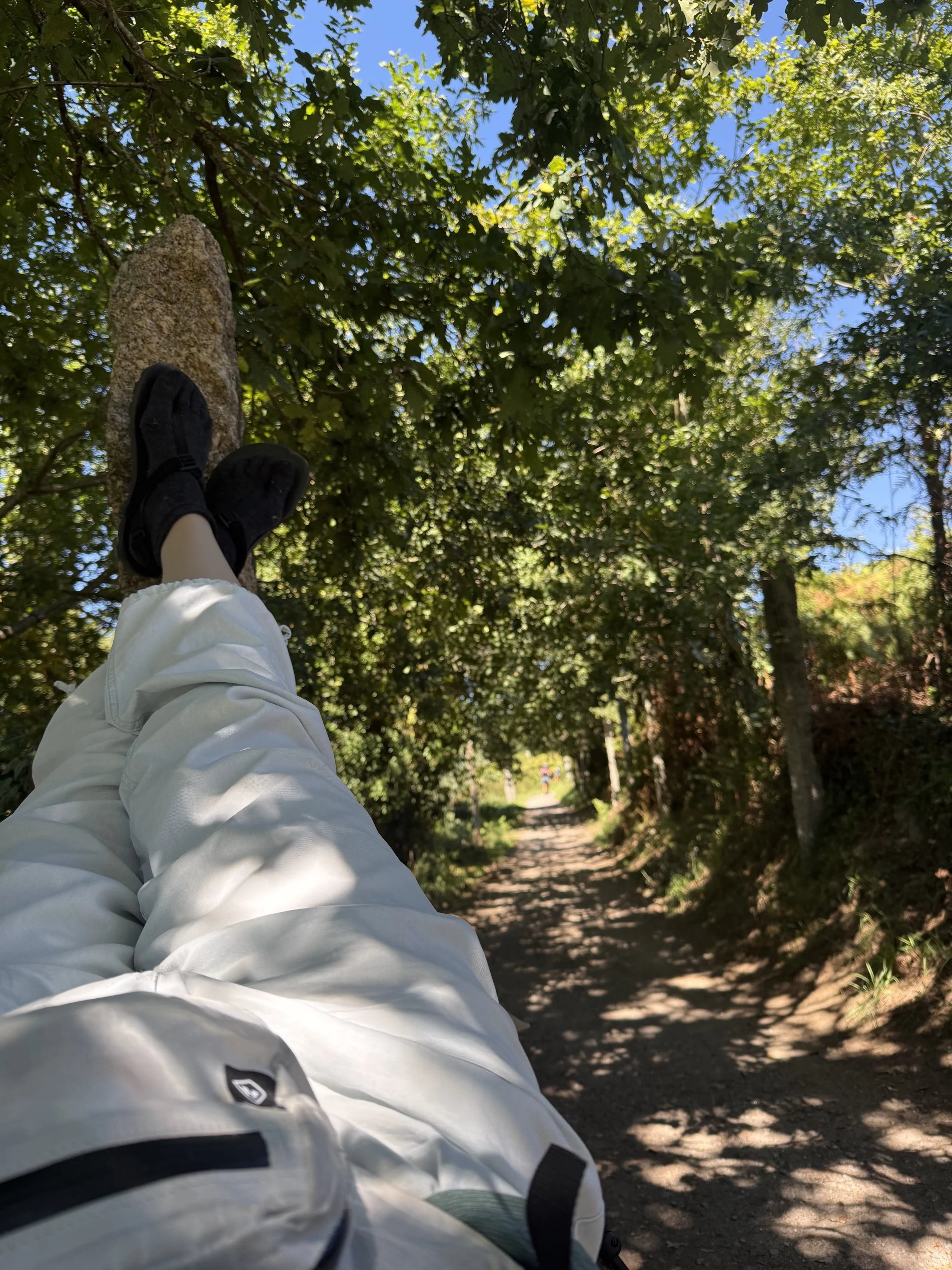
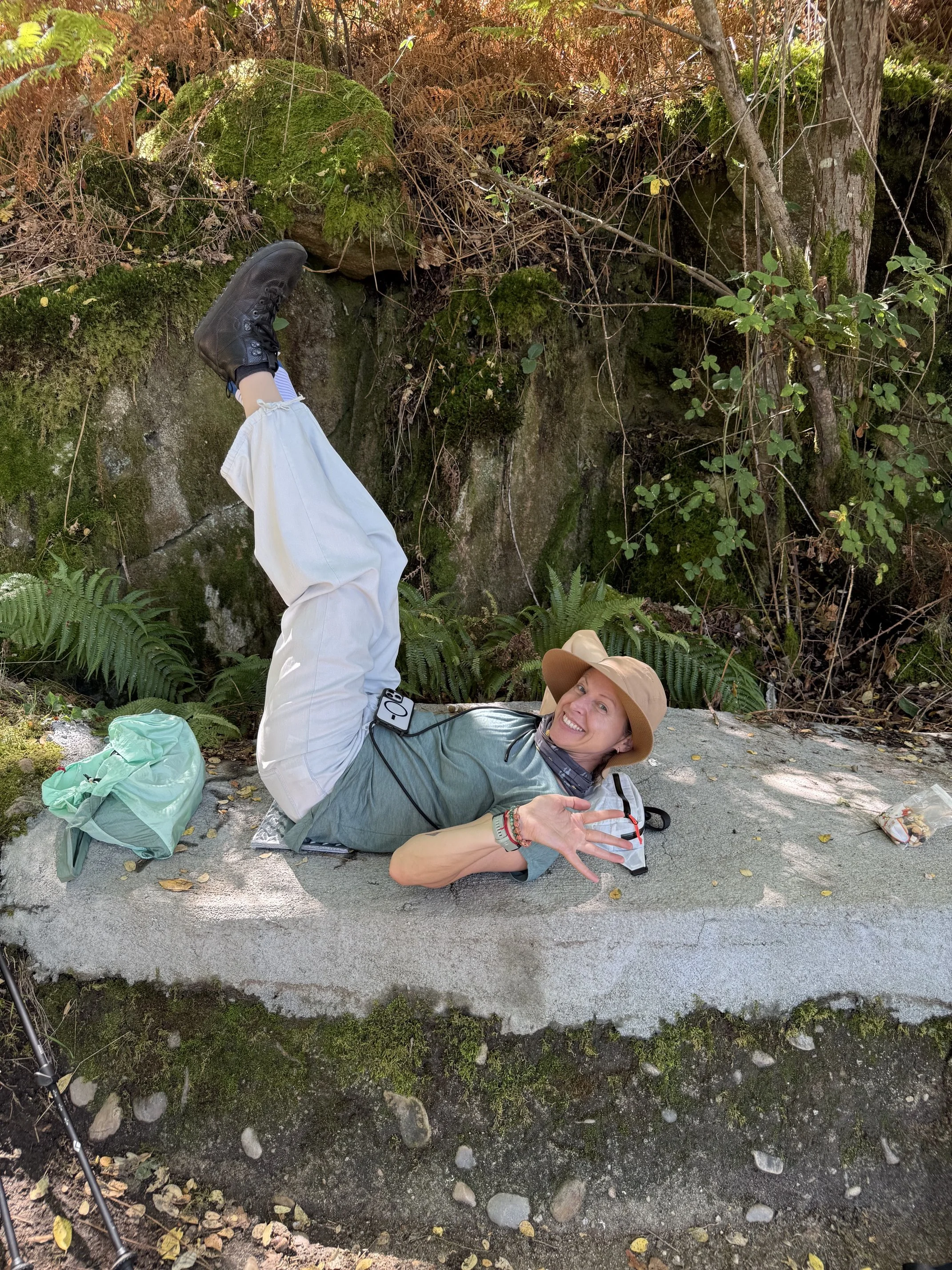
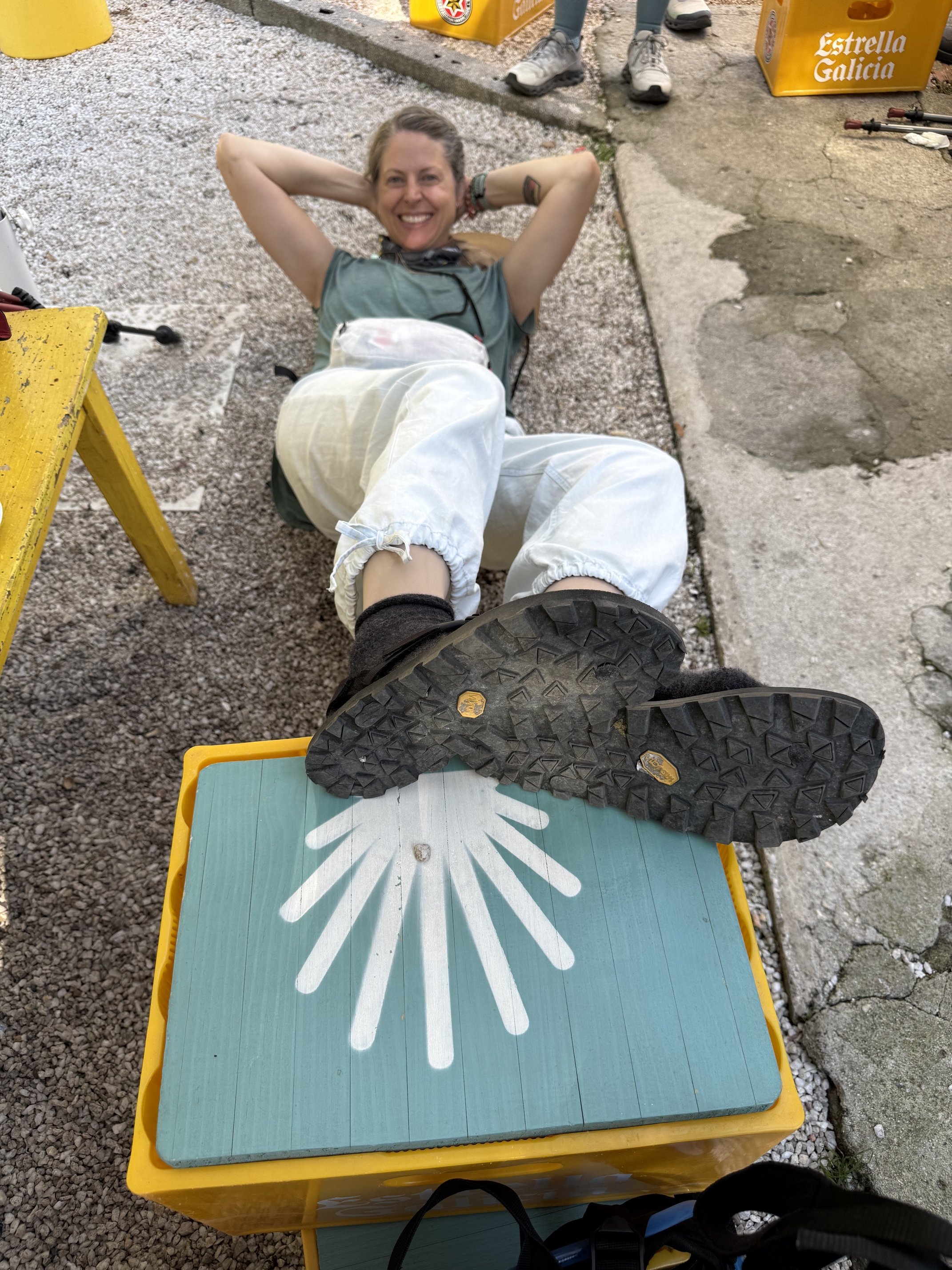
Another challenge was slowing down – but the snail’s pace was actually quite liberating. I had to stop often and lie down with my legs elevated – believe me, you can’t do much more in that position. So, I embraced the moment and tried to squeeze the most out of it. The countless lemon trees along the way provided a metaphor for ‘squeezing the lemons’ as in “when life gives you lemons, make lemonade”.
So, if you happened to be there and saw a strange lady with her legs up against a tree, a wall or even in a cafe, that was me saving my legs. The embarrassment over this pose faded quite quickly. Eventually, I even enjoyed it and started using it to do Pilates and strengthen my core. Ha ha ha.
It wasn’t a clear-cut and seamless process. It was messy and it took me a while, with many ups and downs. But it is supposed to be a process and it will never be perfect. Still, I can tell you that in the end I felt stronger – as if I could handle more next time. That’s why I was grateful for the tests my Camino exposed me to.
If I were to sum it up, I would say it was a lesson in flexibility and letting go. It’s the flexibility with which we handle the challenges life presents us with – remaining mentally flexible can make our lives so much easier. And letting go is about not attaching ourselves to a certain vision of life or of ourselves.
On a more practical note, I also want to acknowledge that the long pilgrimage was completely doable in barefoot shoes. My research prior to the trip wasn’t that promising, but now I see that two years on my barefoot journey and a good shoe search prepared me well. It even helped with the walking meditations we tried on some days; focusing on my feet was so much easier.
On a lighter note, I learnt to drink espresso, and it’s now my go-to coffee drink. Great things do sometimes come in small packages.
One single question
Before my trip I prepared some reflection questions to take with me to process the experiences of the Way in a more structured way. After my closing words below, you will find instructions on how to access the printable worksheet with the key questions I used the most.
But there was a single question that I initially did not have in my repertoire but that tipped the scales for me. This question helped me find the meaningful direction I was looking for. It popped up when I was really tired, walking at the hottest time of day, reviewing my values and trying to understand why I struggled with the setback and why finishing the trip became so important to me.
It might be harsh and confrontational depending on your circumstances, so only use it if it feels right for you. I asked myself:
If I quit and went home now, what would I think of my decision on my deathbed?
That question gave me the answers I was still missing. I could feel that bitter feeling fill my body, and I instantly knew that this wasn't just about achieving a goal. It was more than that; it held a deeper meaning for me.
Of course, it wasn’t just this single question that helped me overall. I keep revisiting the whole process of understanding my motivations and values from the ACT methodology that I practise. This gave me the bigger picture. But that one additional question filled in the blanks.
To close off
If I were to describe in one word how I feel after this adventure, I would have to use the Dutch word “nagenieten”. You could loosely translate it as “to keep enjoying something afterwards”. I made many memories, and thinking back to the trip brings all of that back to life every time. Including the tough lessons. I love it!
What was the one trip that stood out for you and why? I would love to hear your stories.
If you are interested in reading about the stages of my trip and some more practical tips, check this link for an upcoming article.
Till next time.
Stay rooted,
Dominika
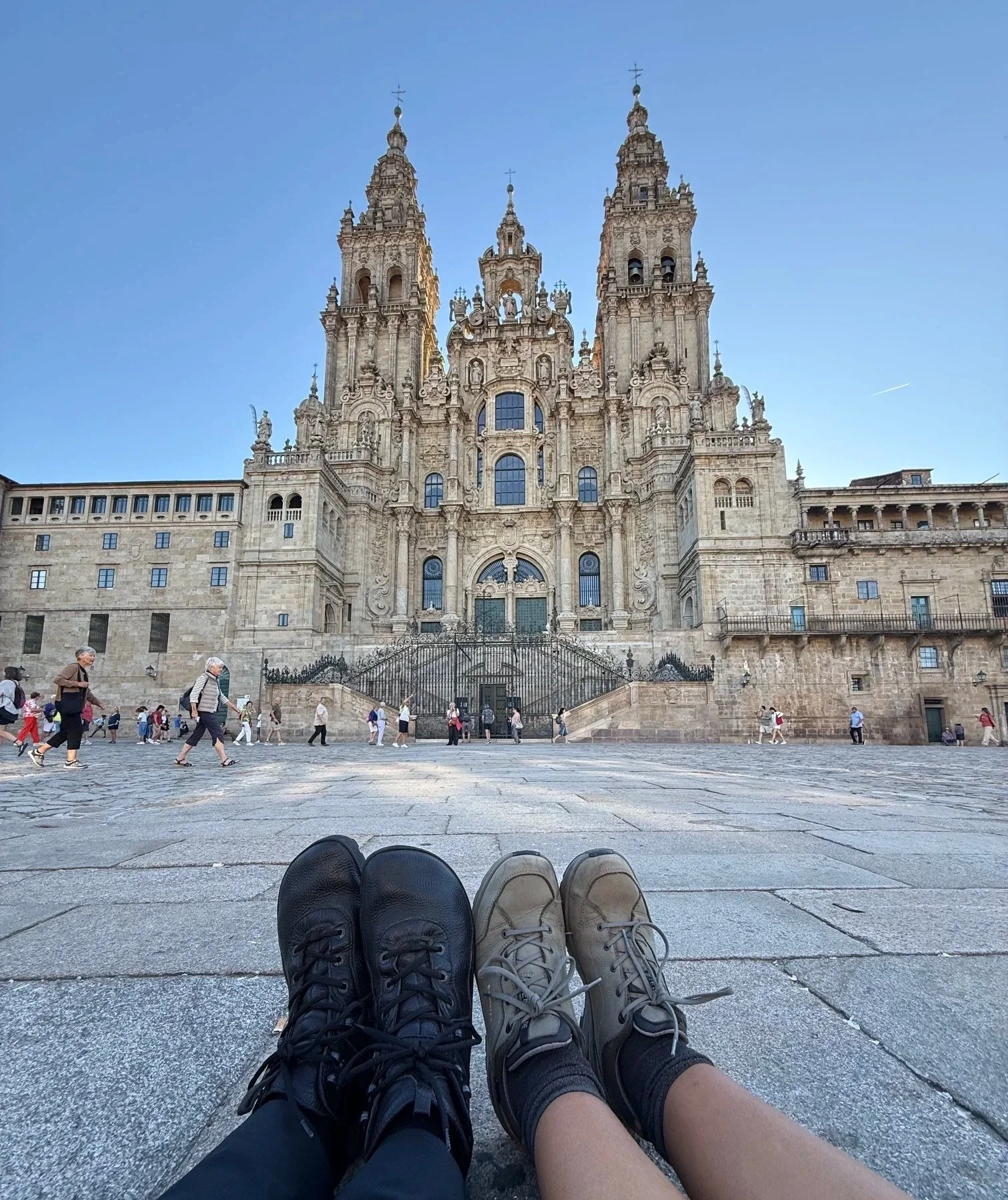
In front of the cathedral in Santiago de Compostela, ES
Reflection questions
Here’s how to get the printable sheet with the reflection questions I used on my Camino:
Use this link to sign up for my newsletter, and once you confirm your email, you will be taken to the page with two gifts: the sheet with the questions and a self-compassion exercise.
You’re welcome!
🌱